ALBERTO ORTEGA-TREJO
Artist, researcher and architectural designer.
Get in touch by clicking here: ✉
His work uses architecture,
drawing, sculpture, writing and video to explore histories of indigeneity in architectural
modernity, the production of extreme environments, the spatial politics of the colonial encounters in North America and the architectures of social experiments. He has been
an IDEAS Fellow of the Society of Architectural Historians and a grantee of Jumex
Foundation for Contemporary Art, Andrew W. Mellon Foundation, and DCASE,
among others. His work has been shown at Prairie, DePaul Art Museum, BienalSur, Ca’ Foscari
Zattere, Rhona Hoffman Gallery, Andrew Rafacz Gallery, Uri-Eichen Gallery, SpaceP11, and Centro de Arte y Filosofía. He has been a guest speaker for institutions and
organizations like the American Institute
of Architects, the Society of Architectural Historians, Smart Museum of Art, Committee on Environment Geography and Urbanization, DocTalks x MoMA, Materia
Abierta, UPenn, MAS Context and CENTRO.
He has taught Architectural History and Studio at the School of the Art Institute of Chicago, and he served as Program Manager of the Katz Center for Mexican Studies at the University of Chicago from 2021 to 2026. Ortega-Trejo is currently a PhD student in Architectural History and Theory at Princeton University.
ARTIFICIAL-AGENCY
Architectural Consultancy
Exhibition Strategy
Research and Publication
Previous clients and collaborators include, Public Media Institute, North East Asia Art Archive, Art Institute of Chicago, Singapore Art Museum, Edith Farnsworth House, Goethe-Institut Chicago, Michael Rakowitz Studio, Black Athena Collective, Dawit L. Petros, and Center for Latin American and Caribbean Studies at The University of Chicago.
Keep scrolling for selected projects ↆ
Studies for Parasitical Relations
On infrastructures as ideological frameworks.
Work in progress
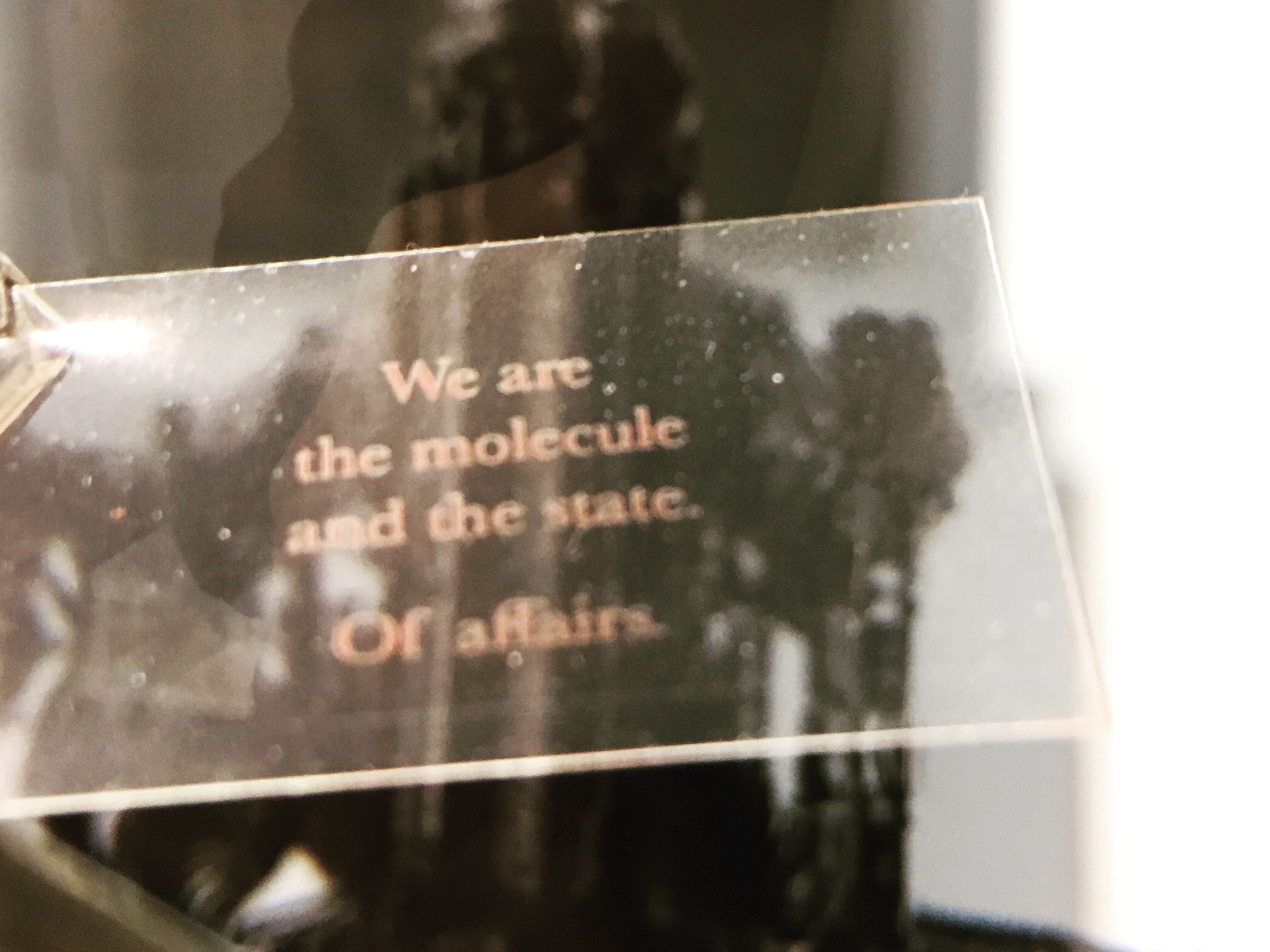
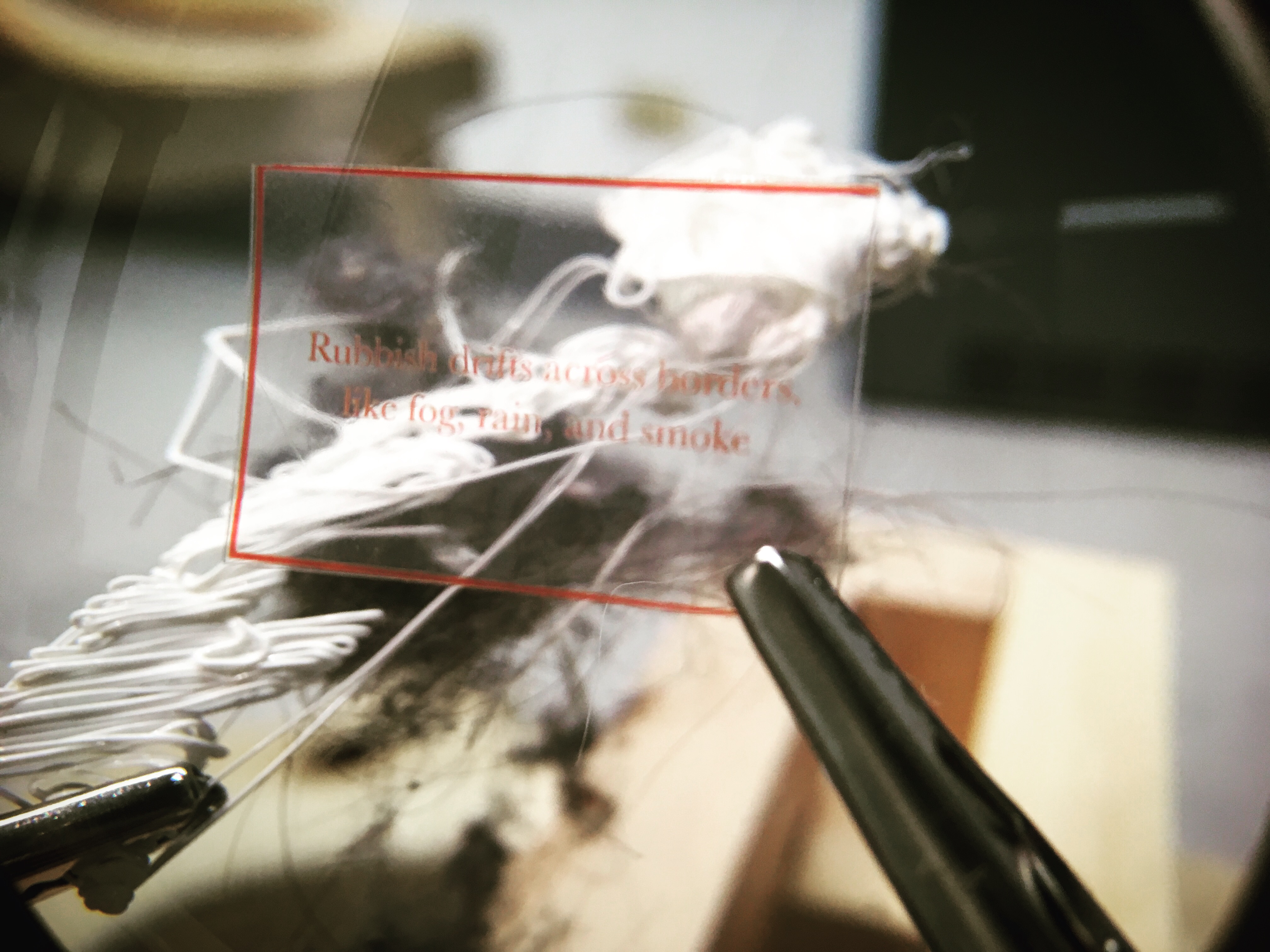
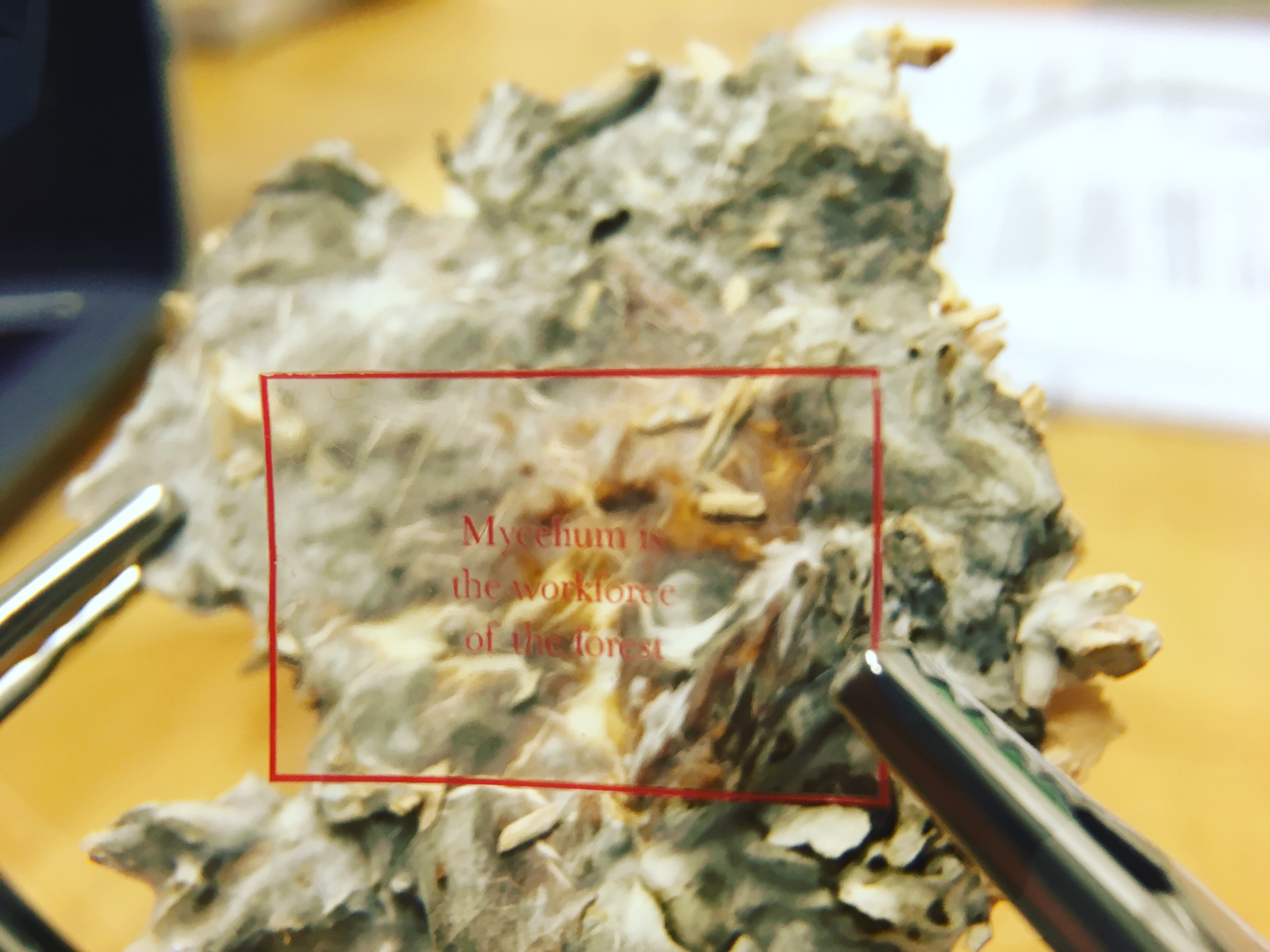
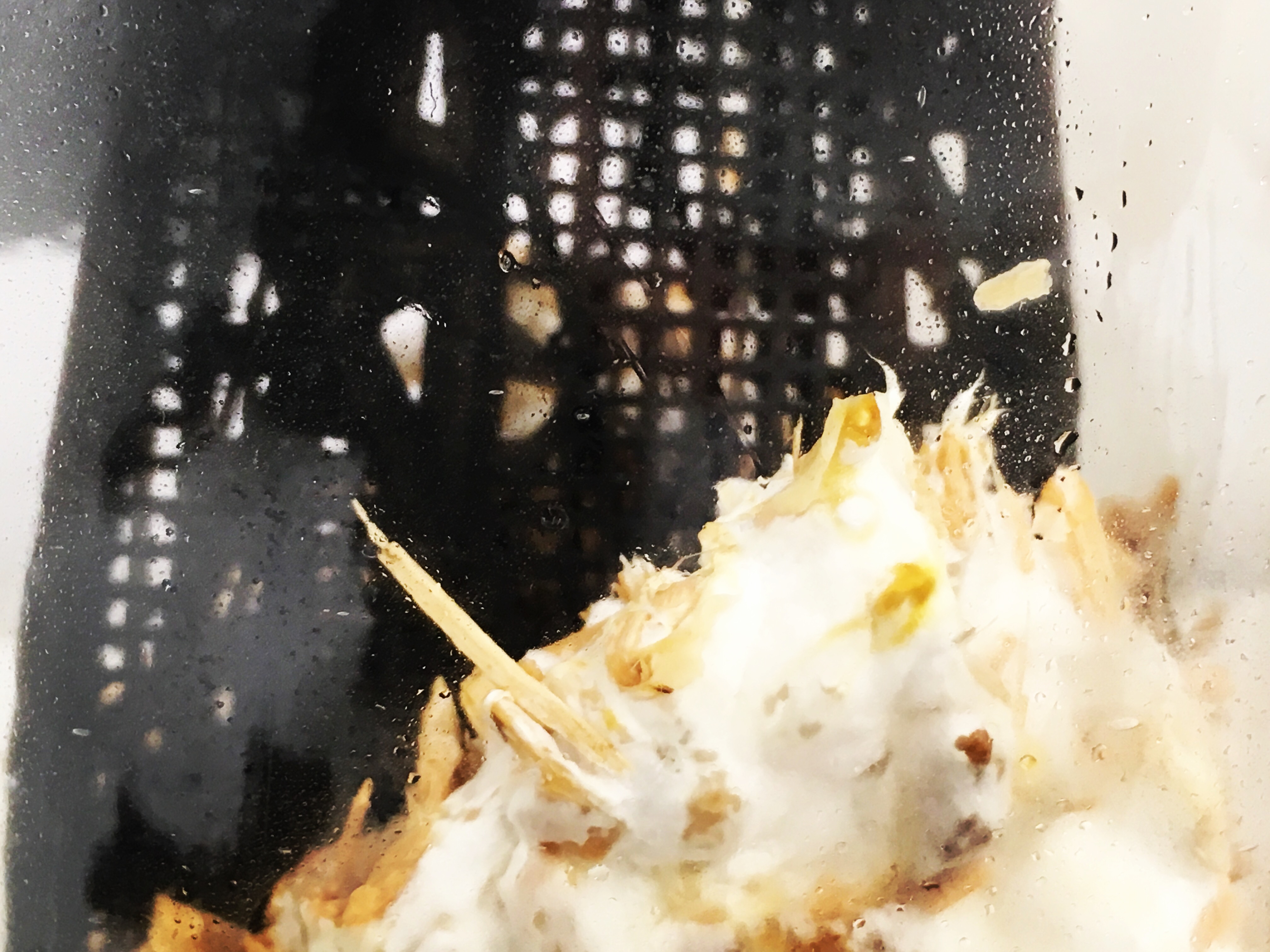

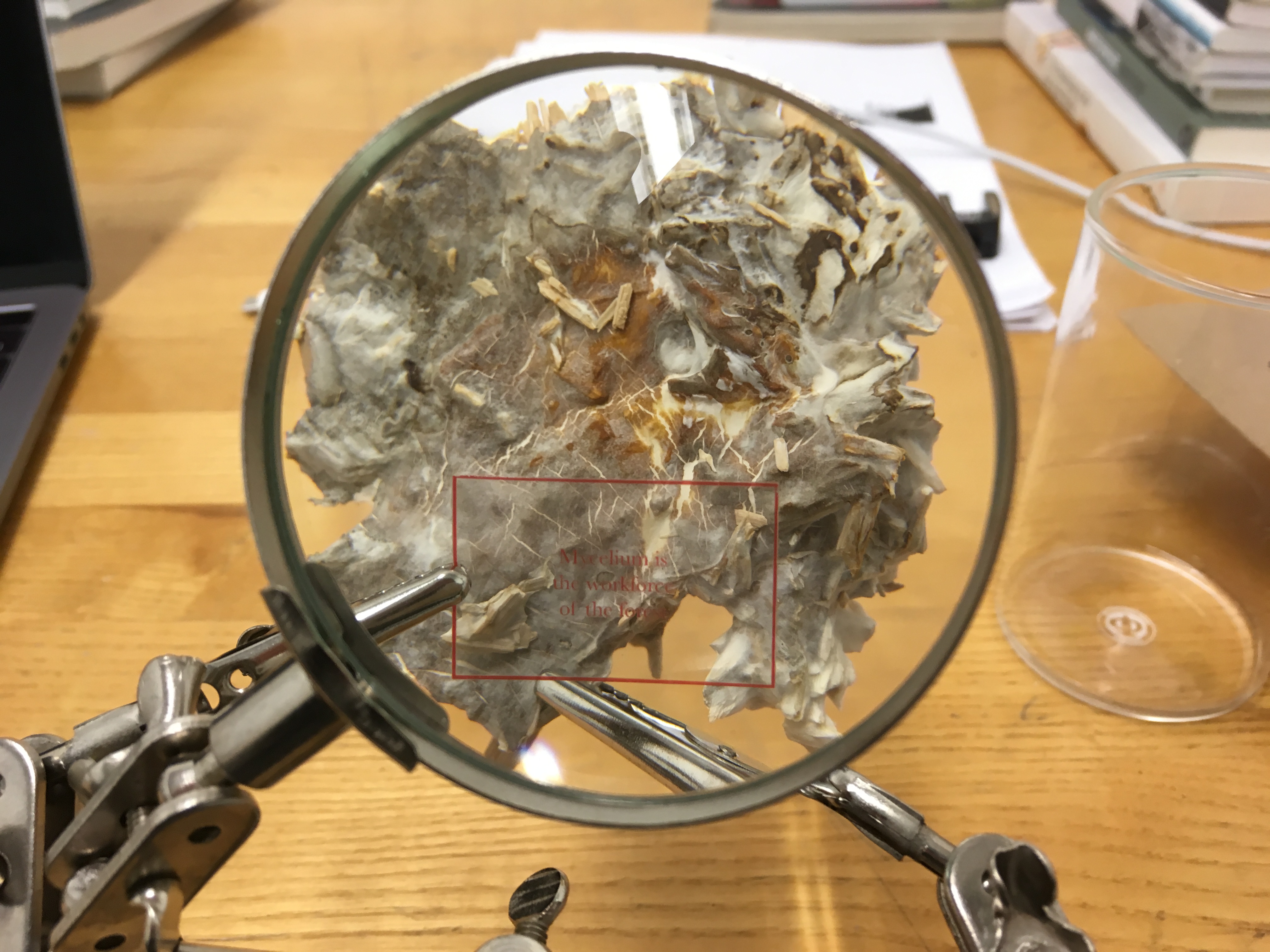
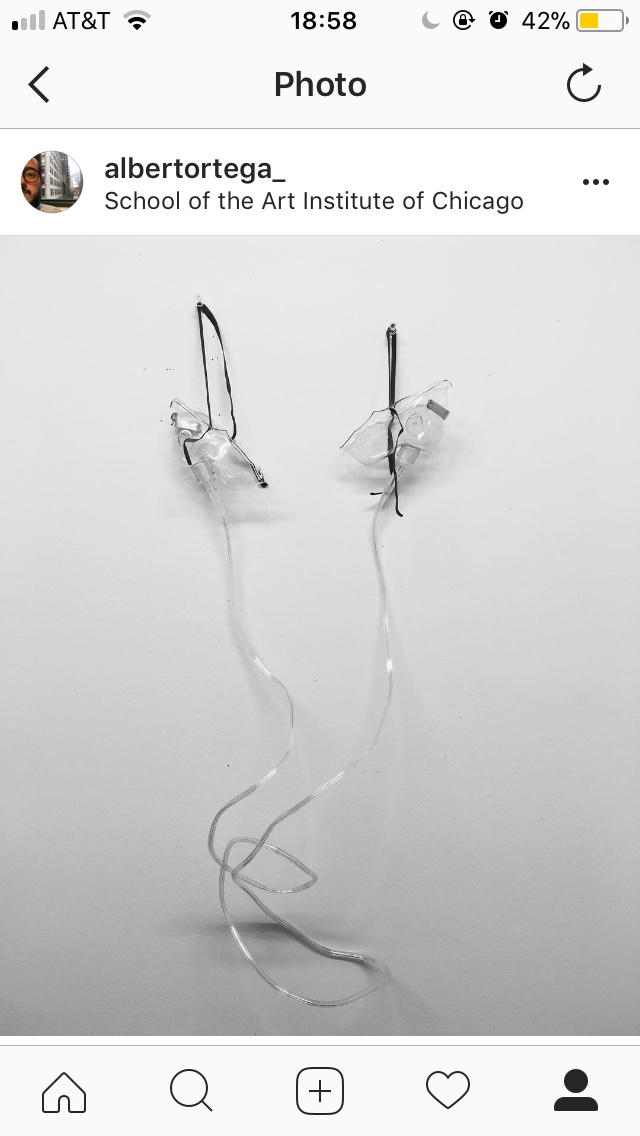
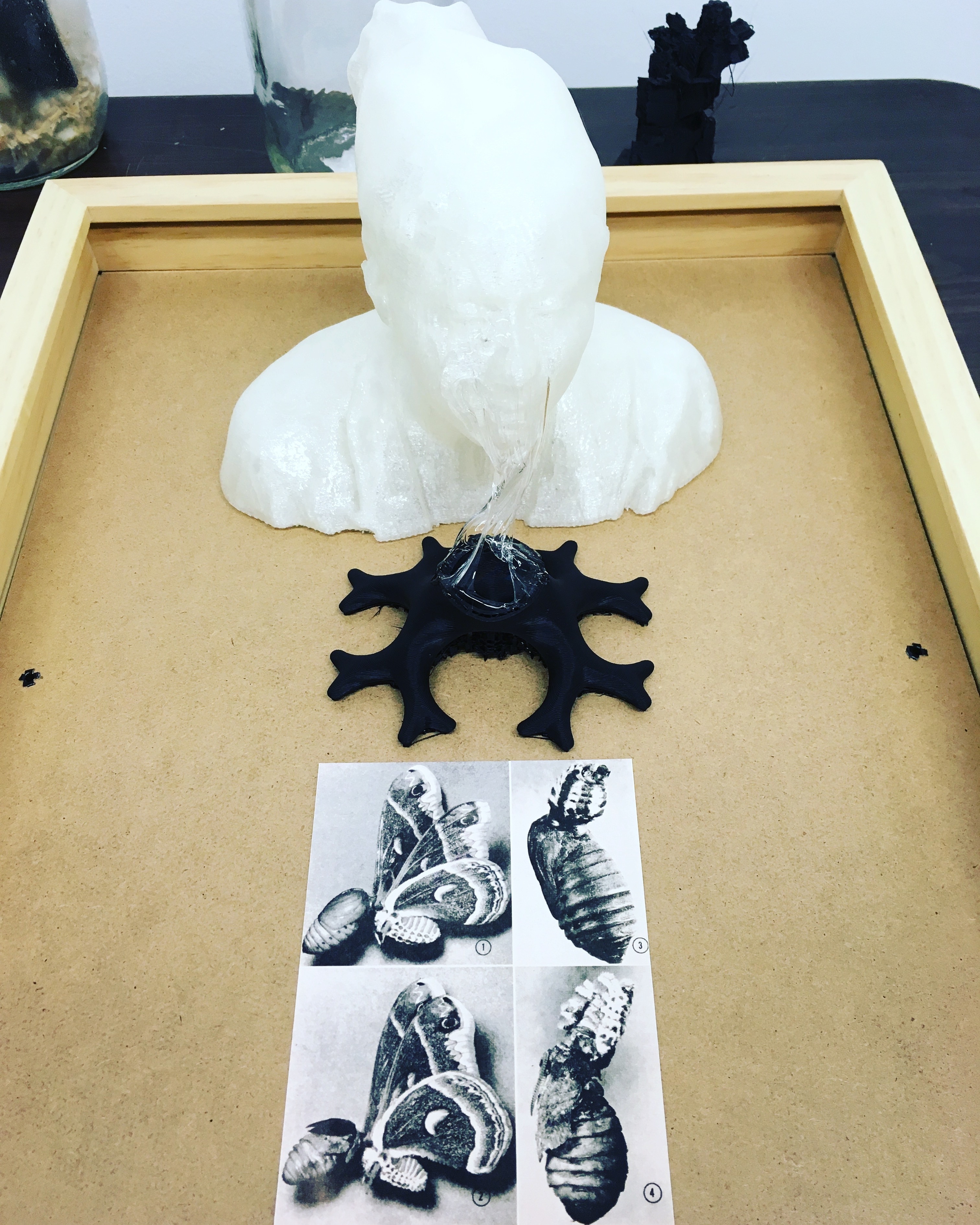
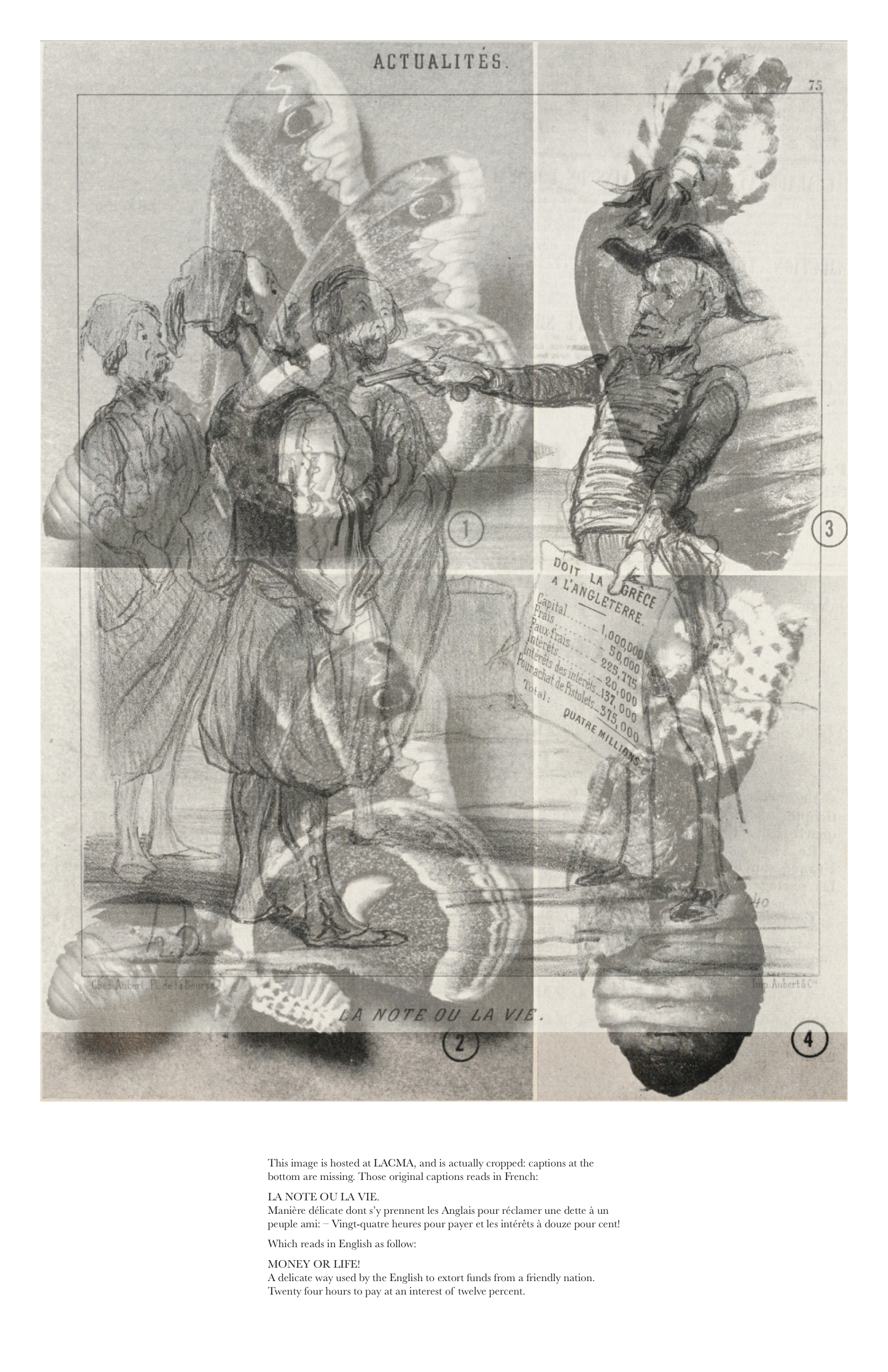
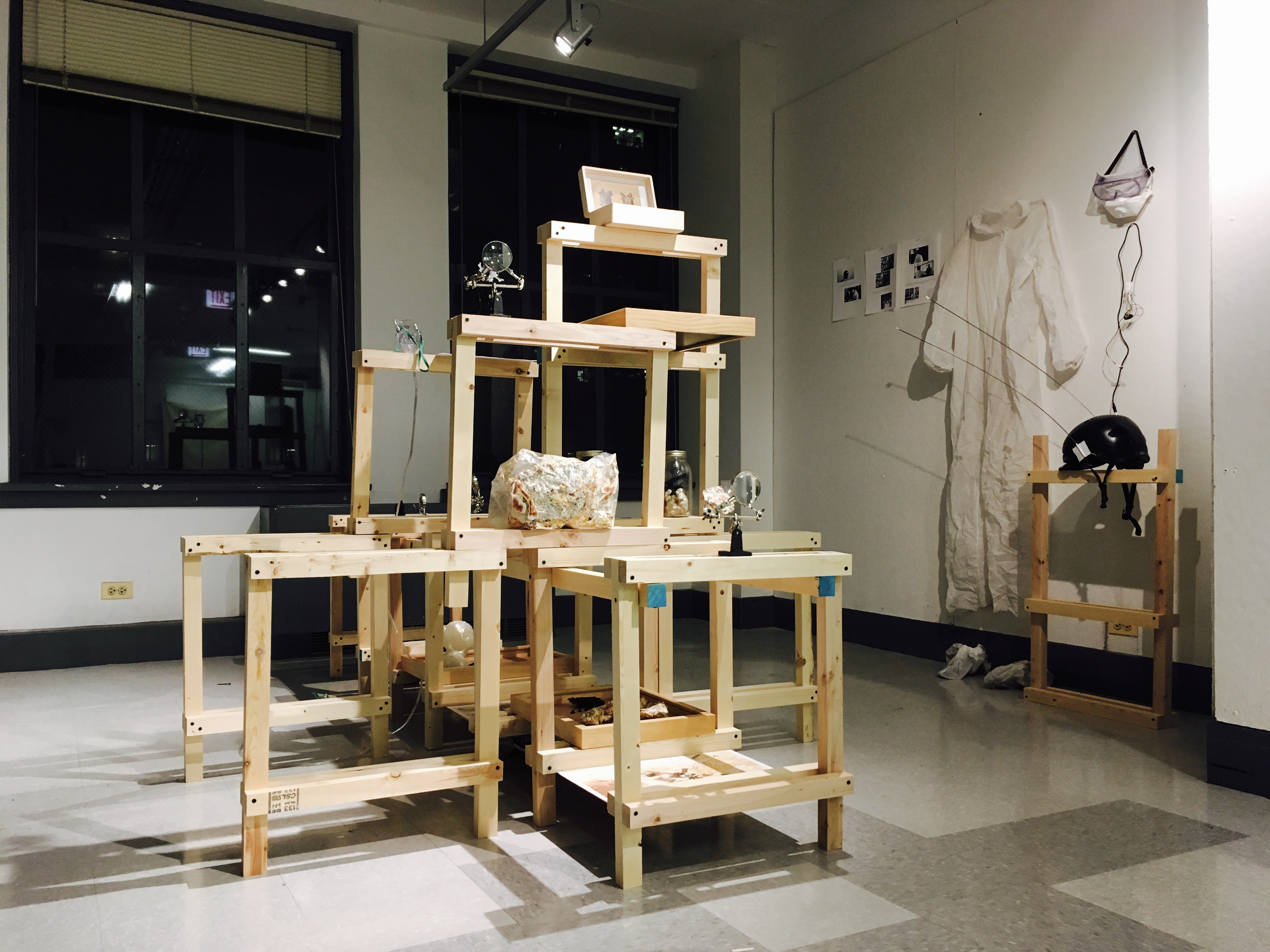
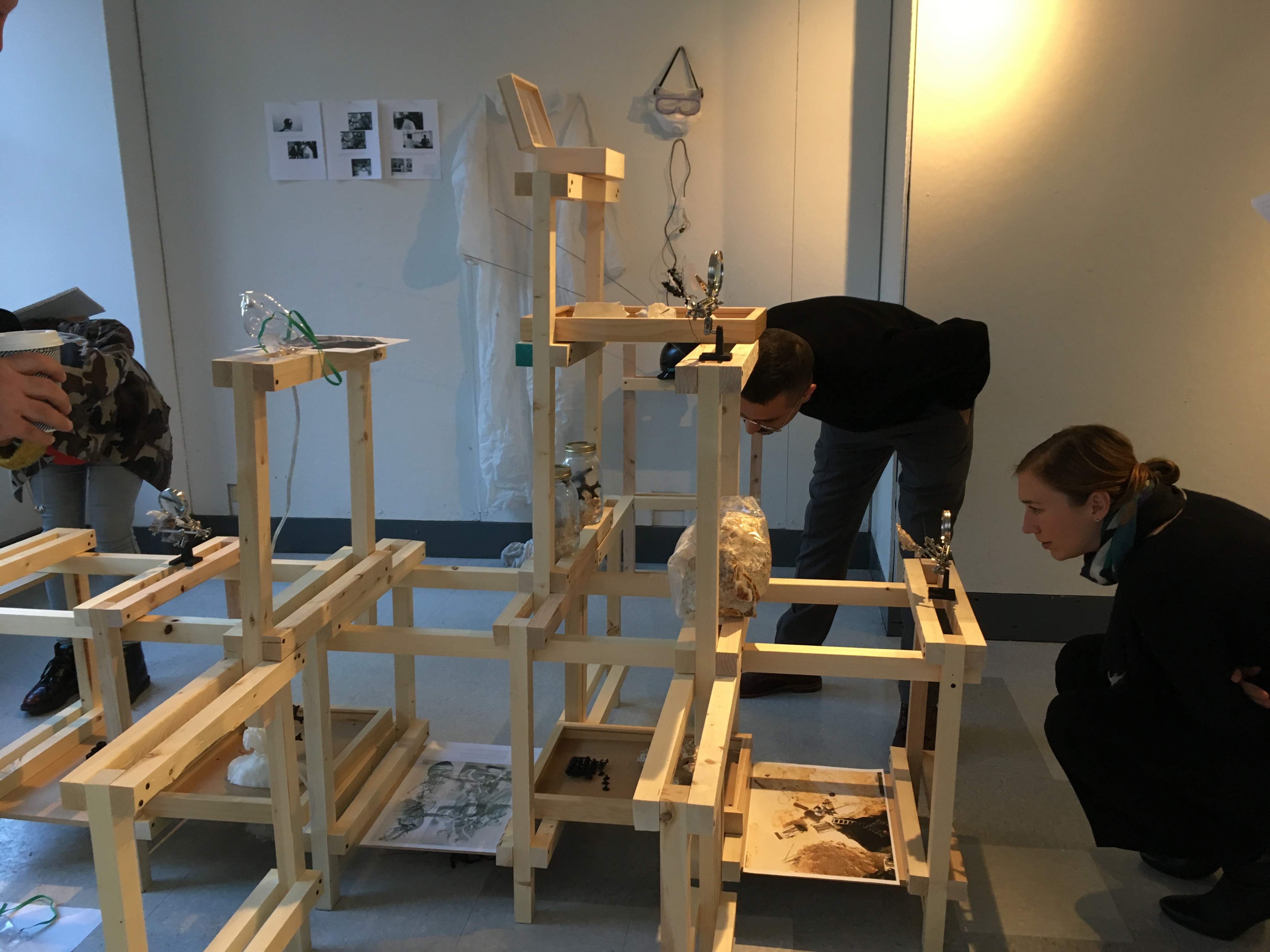

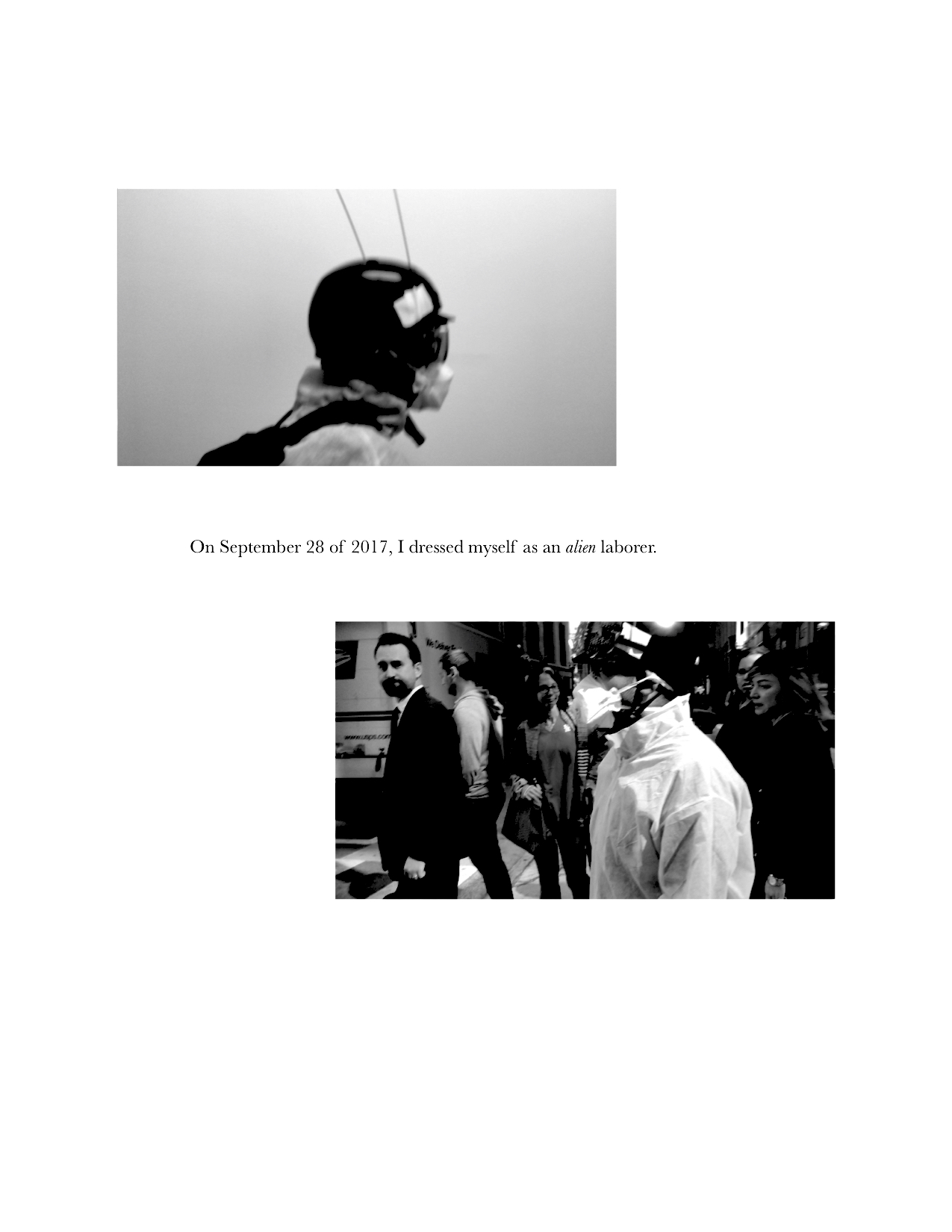
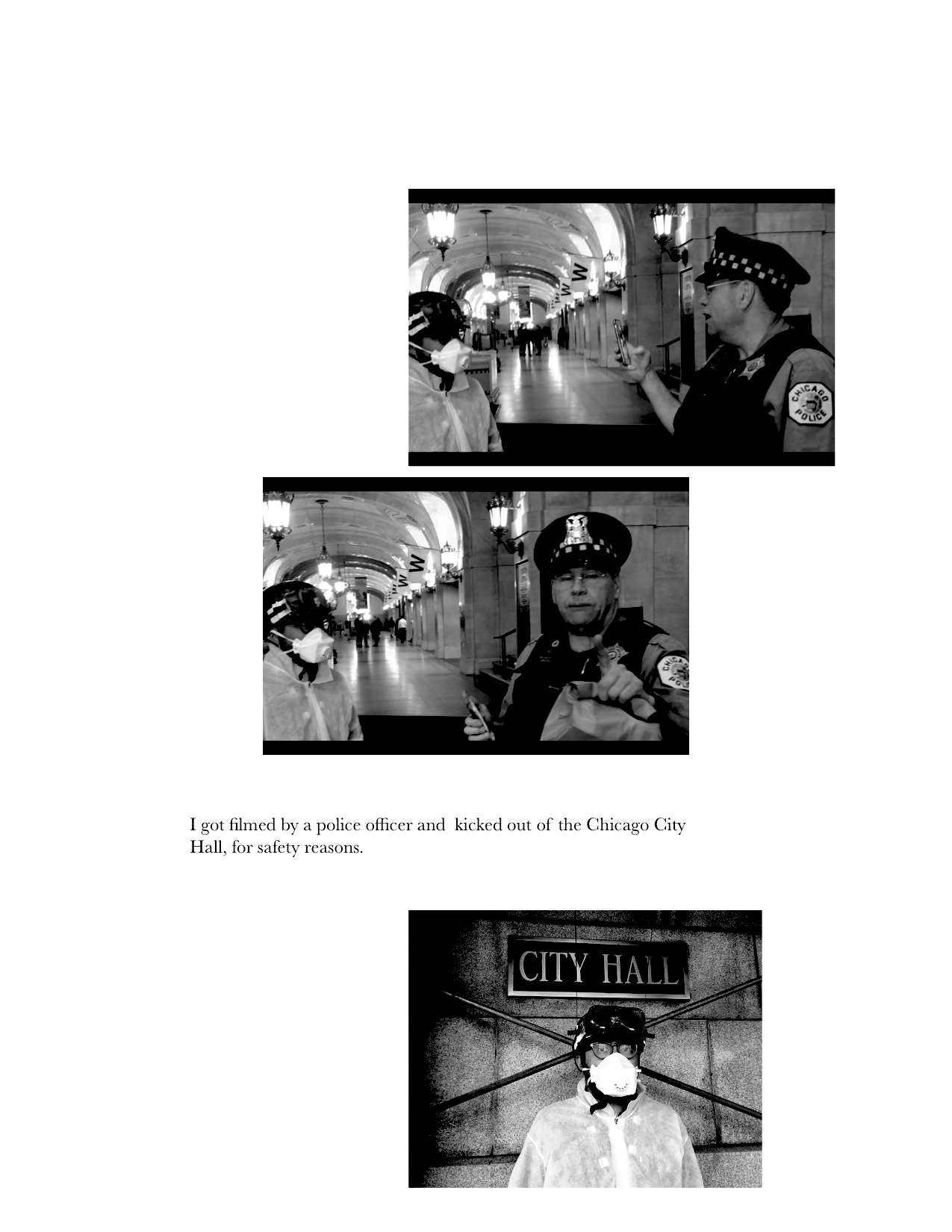

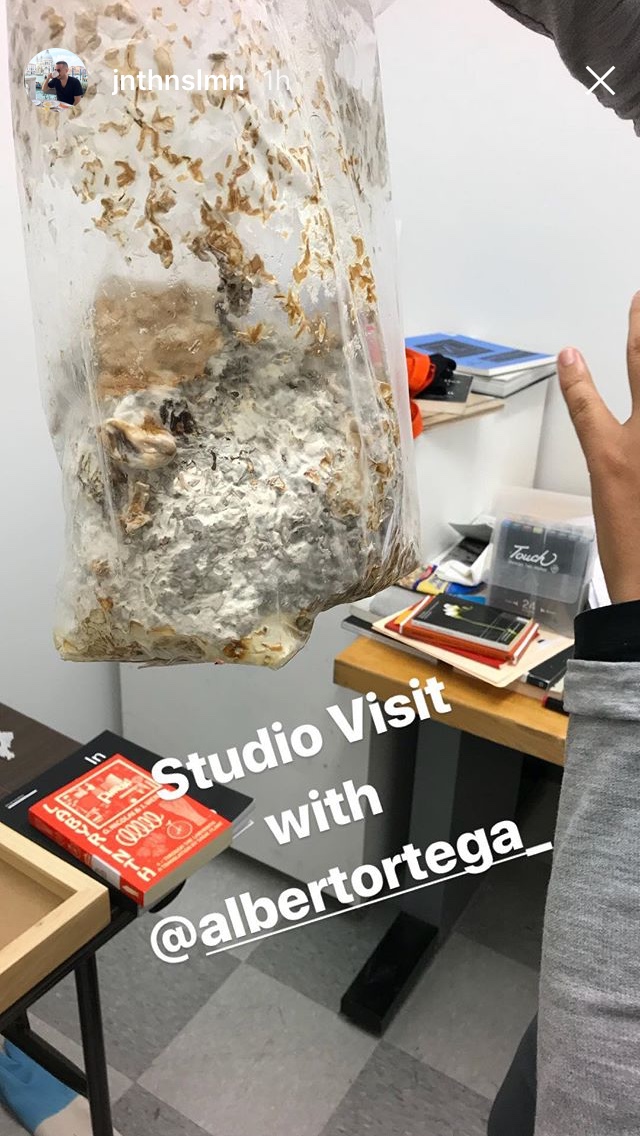
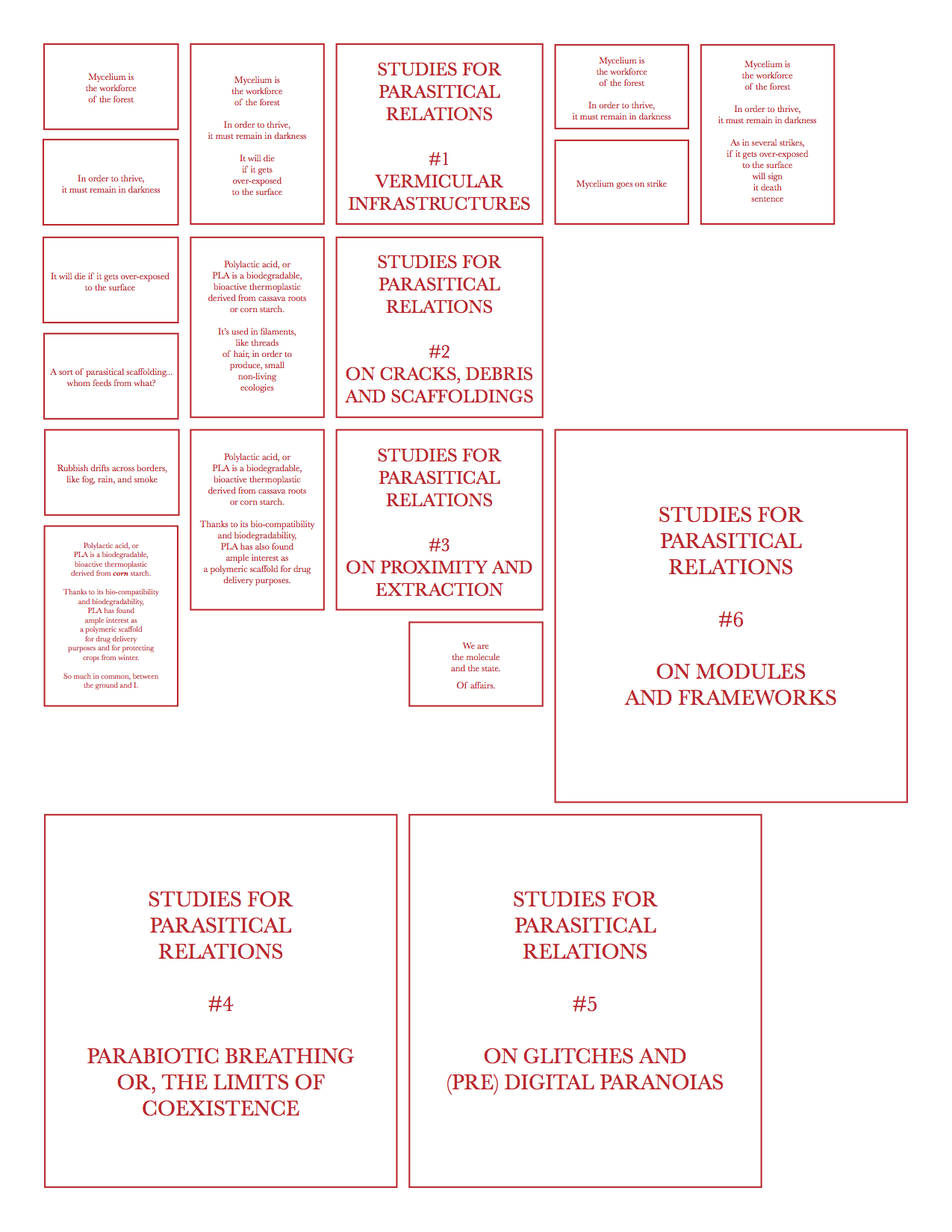
This is an ongoing research on how ideological frameworks as means of (re)production establish the ways we interact with the built environment and with(in) the social. Using PLA and Mycelium culture as a material and conceptual thread, a series of 3D printed and found objects, images and actions, are used to narrate on how the macro is conditioned by the particularities of the nano and its modes of establishing relations, whereas those are that of a mutualist scenario, or as it has been for a long time, a parasitic one.