ALBERTO ORTEGA-TREJO
Artist, researcher and architectural designer.
Get in touch by clicking here: ✉
His work uses architecture,
drawing, sculpture, writing and video to explore histories of indigeneity in architectural
modernity, the production of extreme environments, the spatial politics of the colonial encounters in North America and the architectures of social experiments. He has been
an IDEAS Fellow of the Society of Architectural Historians and a grantee of Jumex
Foundation for Contemporary Art, Andrew W. Mellon Foundation, and DCASE,
among others. His work has been shown at Prairie, DePaul Art Museum, BienalSur, Ca’ Foscari
Zattere, Rhona Hoffman Gallery, Andrew Rafacz Gallery, Uri-Eichen Gallery, SpaceP11, and Centro de Arte y Filosofía. He has been a guest speaker for institutions and
organizations like the American Institute
of Architects, the Society of Architectural Historians, Smart Museum of Art, Committee on Environment Geography and Urbanization, DocTalks x MoMA, Materia
Abierta, UPenn, MAS Context and CENTRO.
He has taught Architectural History and Studio at the School of the Art Institute of Chicago, and he served as Program Manager of the Katz Center for Mexican Studies at the University of Chicago from 2021 to 2026. Ortega-Trejo is currently a PhD student in Architectural History and Theory at Princeton University.
ARTIFICIAL-AGENCY
Architectural Consultancy
Exhibition Strategy
Research and Publication
Previous clients and collaborators include, Public Media Institute, North East Asia Art Archive, Art Institute of Chicago, Singapore Art Museum, Edith Farnsworth House, Goethe-Institut Chicago, Michael Rakowitz Studio, Black Athena Collective, Dawit L. Petros, and Center for Latin American and Caribbean Studies at The University of Chicago.
Keep scrolling for selected projects ↆ
The Issue You Mentioned Earlier
On ecology and capitalism
Exhibition


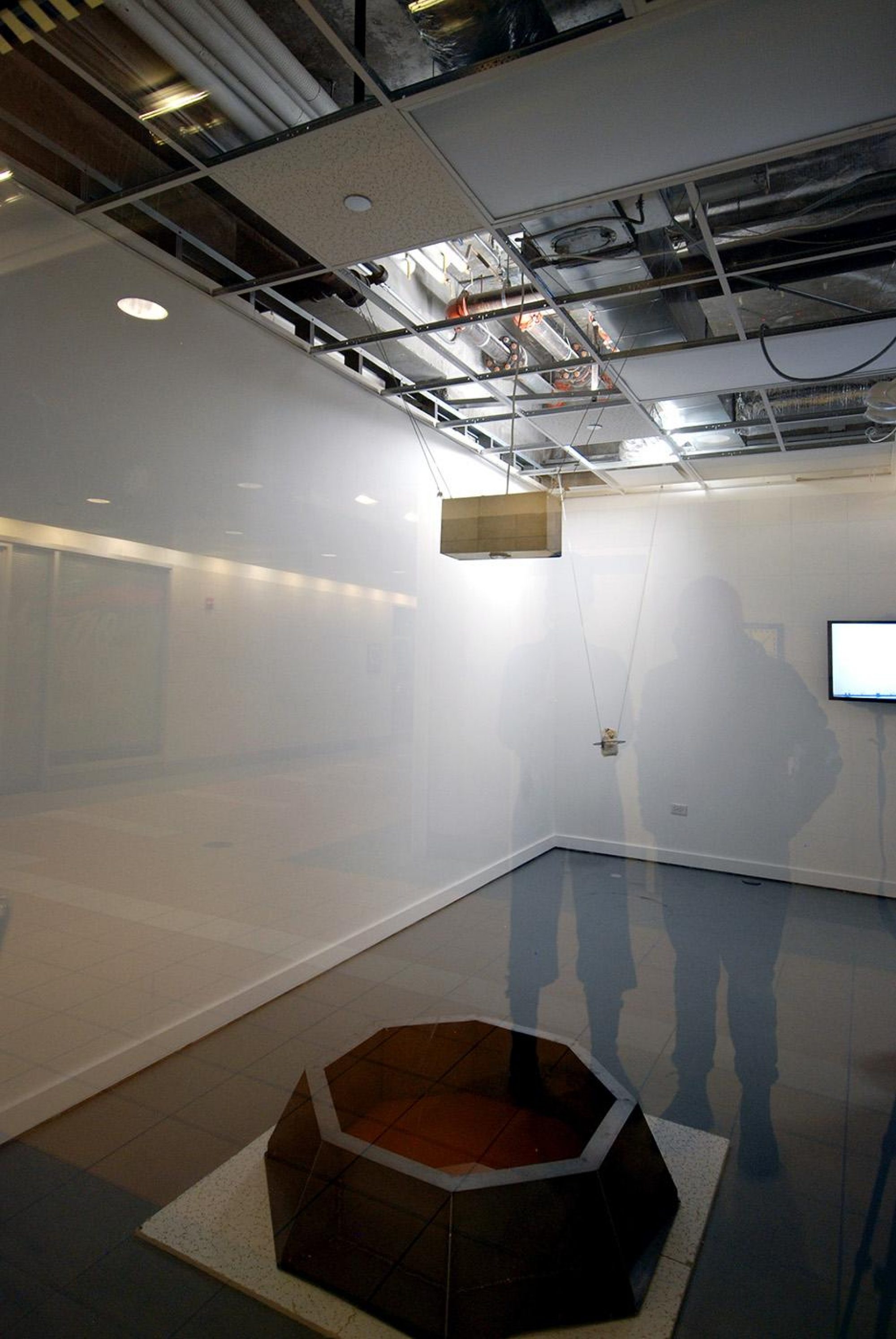
On March 19, 2015, Florida’s emergency management chief testified before the State Senate Budget Subcommittee against a federal proposal: pulling disaster funding from states that aim to directly address climate change. A climate change denier in a position to manage crisis, he performed a series of verbal gymnastics—avoiding any scientific acknowledgment of our catastrophic trajectory.
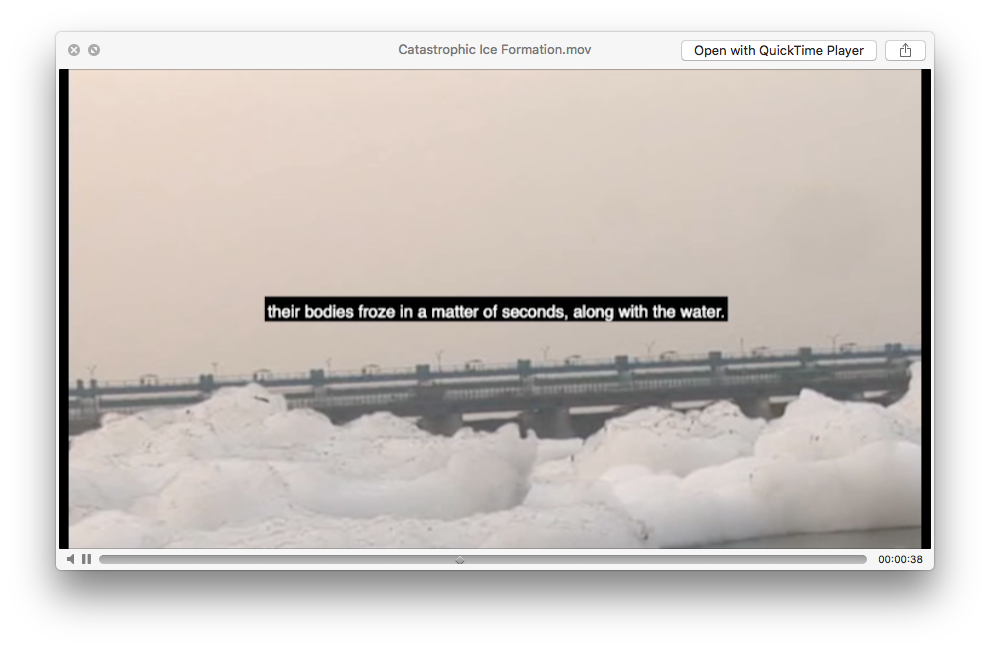
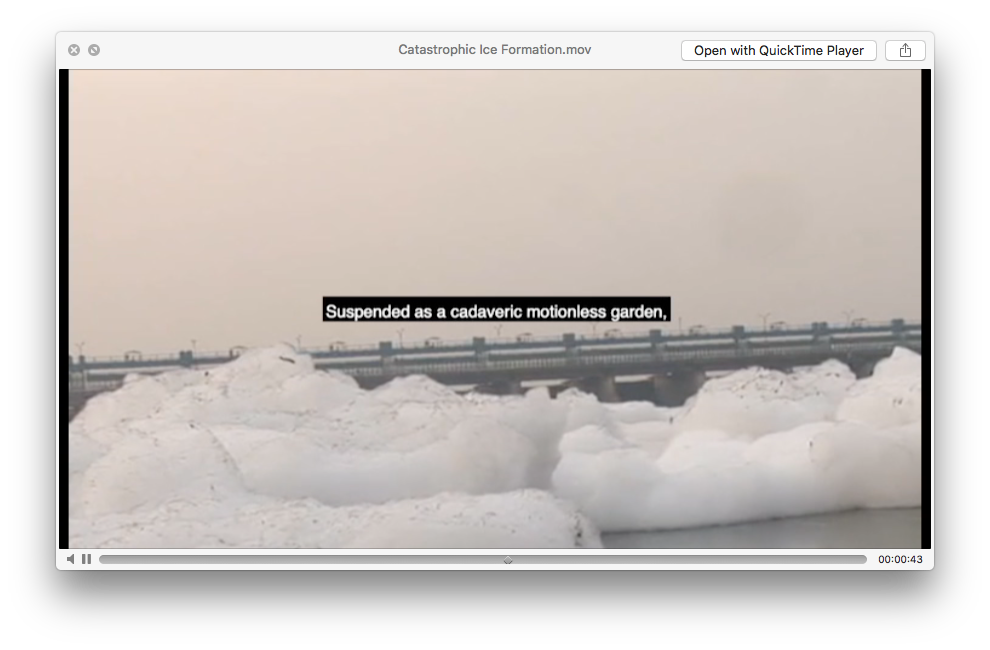
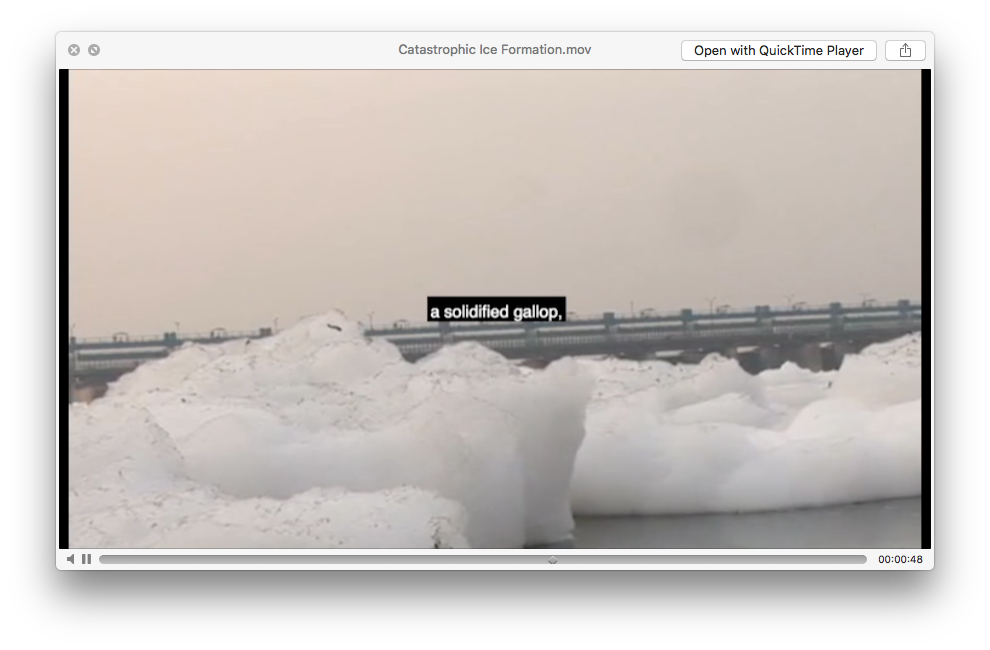
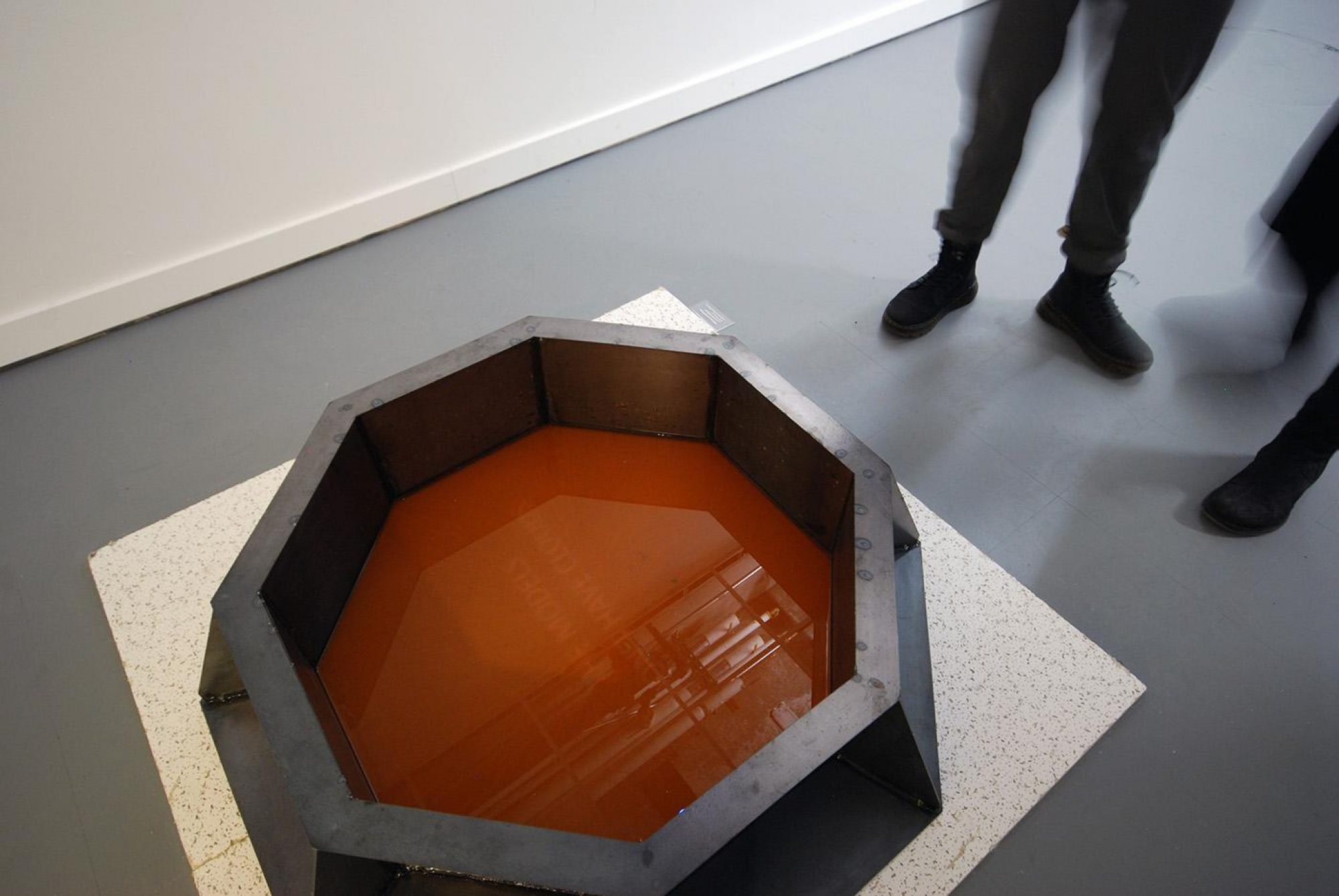
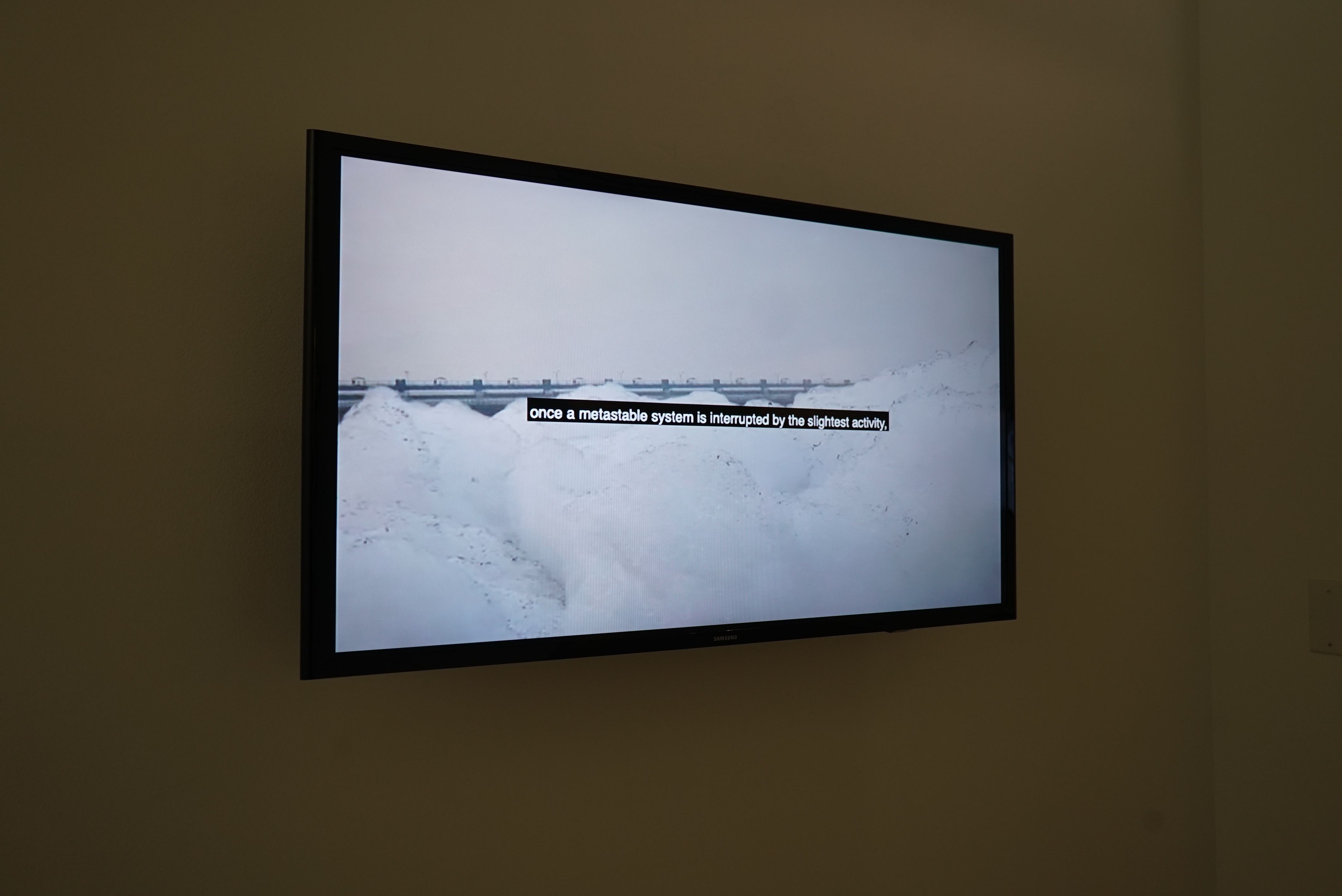
The centerpiece of the resulting work, Wish You Weren’t Here, is a scaled steel cofferdam (a structure engineered to keep foundations dry below sea level). Inside it, projected over a melted block of ice, run actual phrases from official emails by U.S. Senate officials who have made public their refusal to acknowledge climate catastrophes. That ice—residue of the Polar Vortex that struck Chicago one week before the show’s opening—gradually floods the very dam built to hold such threats at bay.
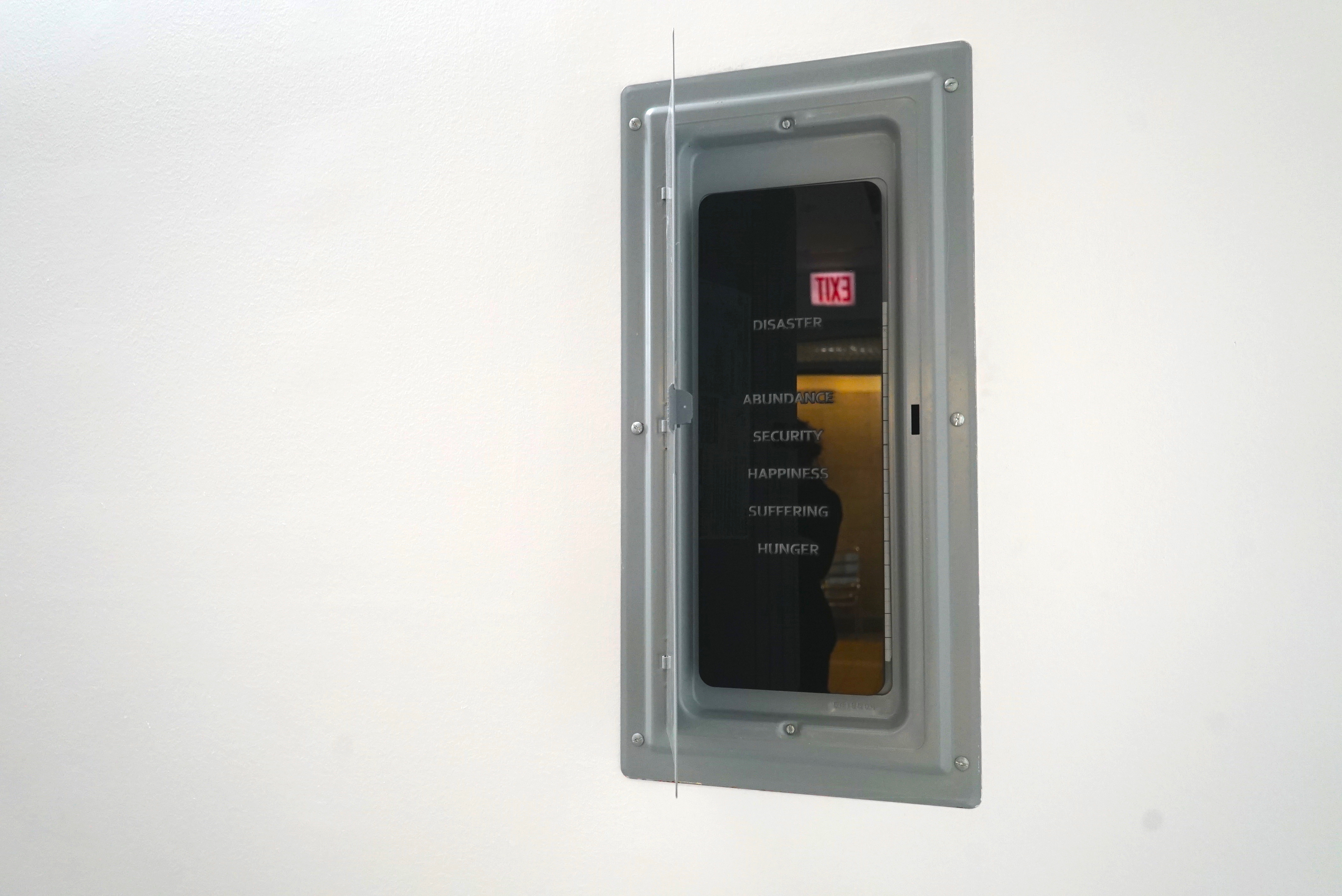
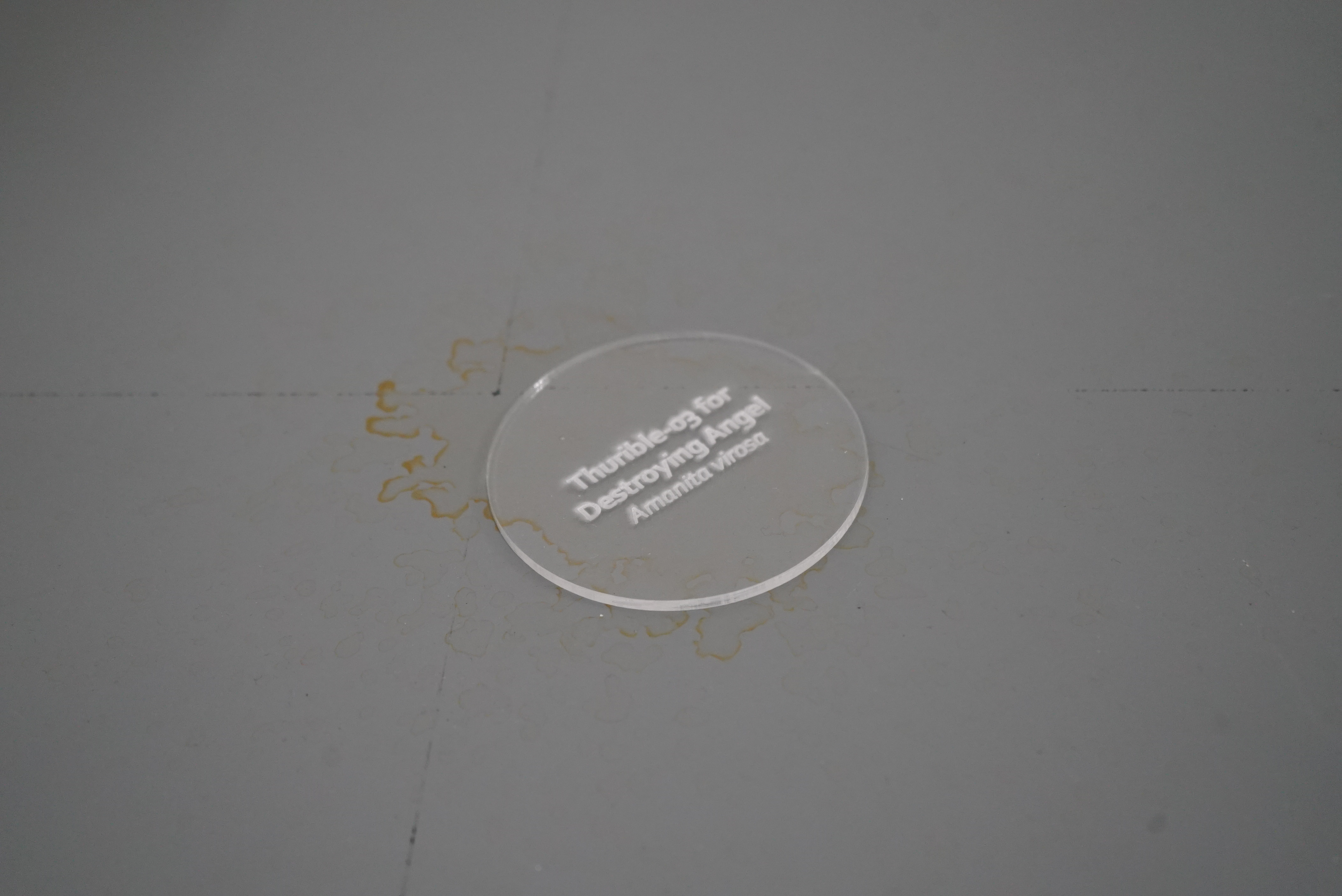
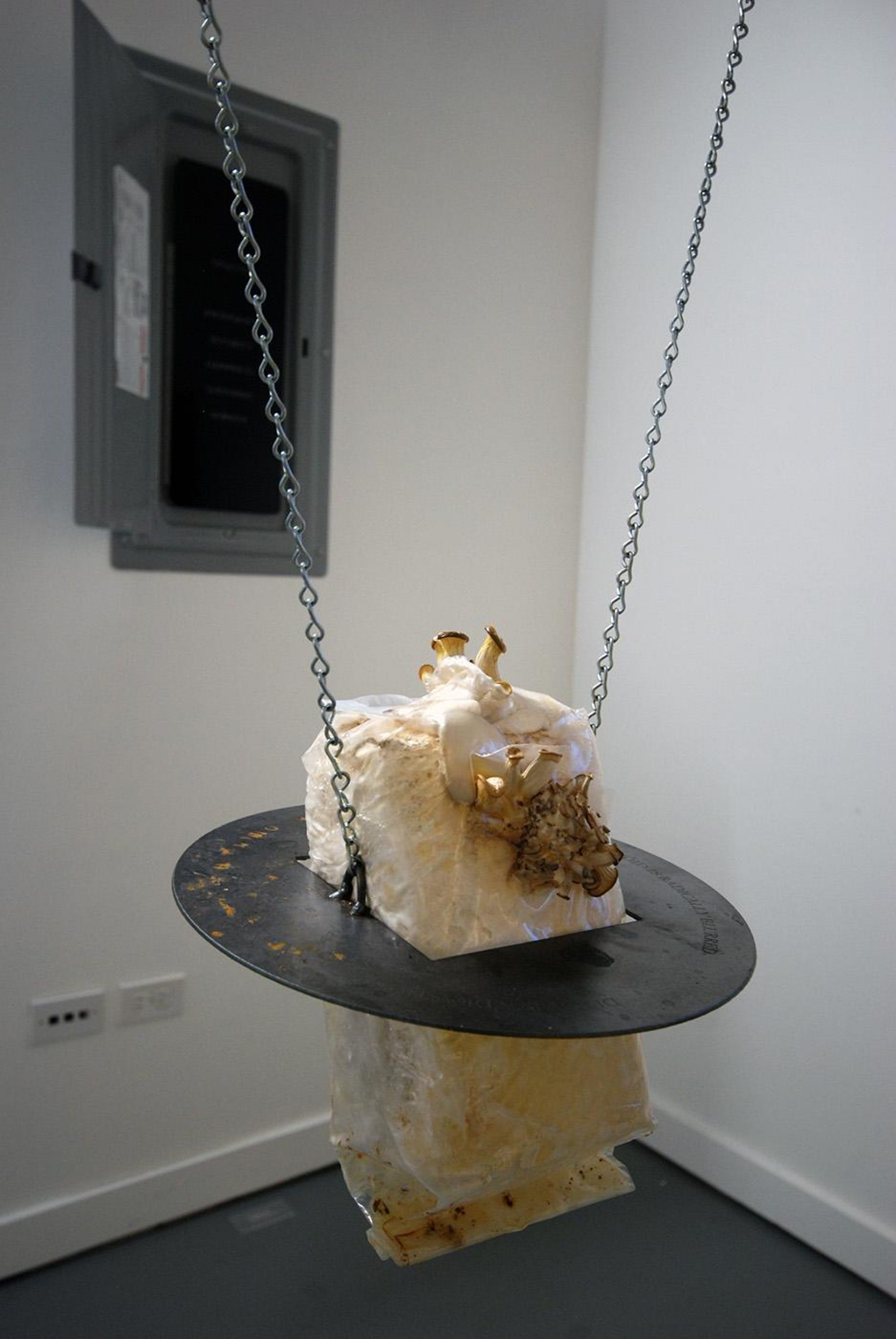
Thuribles house the Destroying Angel, a poisonous mushroom whose name belies its quiet lethality—embodying climate change as abstract, unspectacular, and ever-present. A nilometer wired into the gallery’s circuit box measures the dimensions of an Ideal Flood.
In collaboration with Rosemary Hall.
This project was possible thanks to the support of Jonathan Solomon and David L. Hays.
The centerpiece of the resulting work, Wish You Weren’t Here, is a scaled steel cofferdam (a structure engineered to keep foundations dry below sea level). Inside it, projected over a melted block of ice, run actual phrases from official emails by U.S. Senate officials who have made public their refusal to acknowledge climate catastrophes. That ice—residue of the Polar Vortex that struck Chicago one week before the show’s opening—gradually floods the very dam built to hold such threats at bay.
Thuribles house the Destroying Angel, a poisonous mushroom whose name belies its quiet lethality—embodying climate change as abstract, unspectacular, and ever-present. A nilometer wired into the gallery’s circuit box measures the dimensions of an Ideal Flood.
In collaboration with Rosemary Hall.
This project was possible thanks to the support of Jonathan Solomon and David L. Hays.